 高招云直播
高招云直播
近日,
过去的200年里,人类向大气层排放了数万亿吨CO2,如同给地球造了个大棚,减弱了地球的“散热”,导致了全球气候变暖。为遏制全球变暖,减少CO2排放和促进CO2吸收成为维持生态系统可持续发展的首要目标。生态系统中植物和土壤对大气中CO2的固定能够一定程度缓解全球变暖,同时也是最为经济、最为便捷的固碳方式,对我国实现“碳中和”目标至关重要。而生态系统固碳量的增加不仅涉及碳循环,也与氮循环息息相关。根据生物
根据渐进式氮限制理论,随着大气CO2浓度的上升,植物的光合作用增强,进而促进了植物对碳的固定。根据碳氮耦合关系,此时植物需氮量也逐渐增加。但土壤中氮的含量并不能满足日益增长的氮需求,导致植物固碳受限。因此,如何缓解渐进式氮限制进而固定更多的碳,逐渐成为
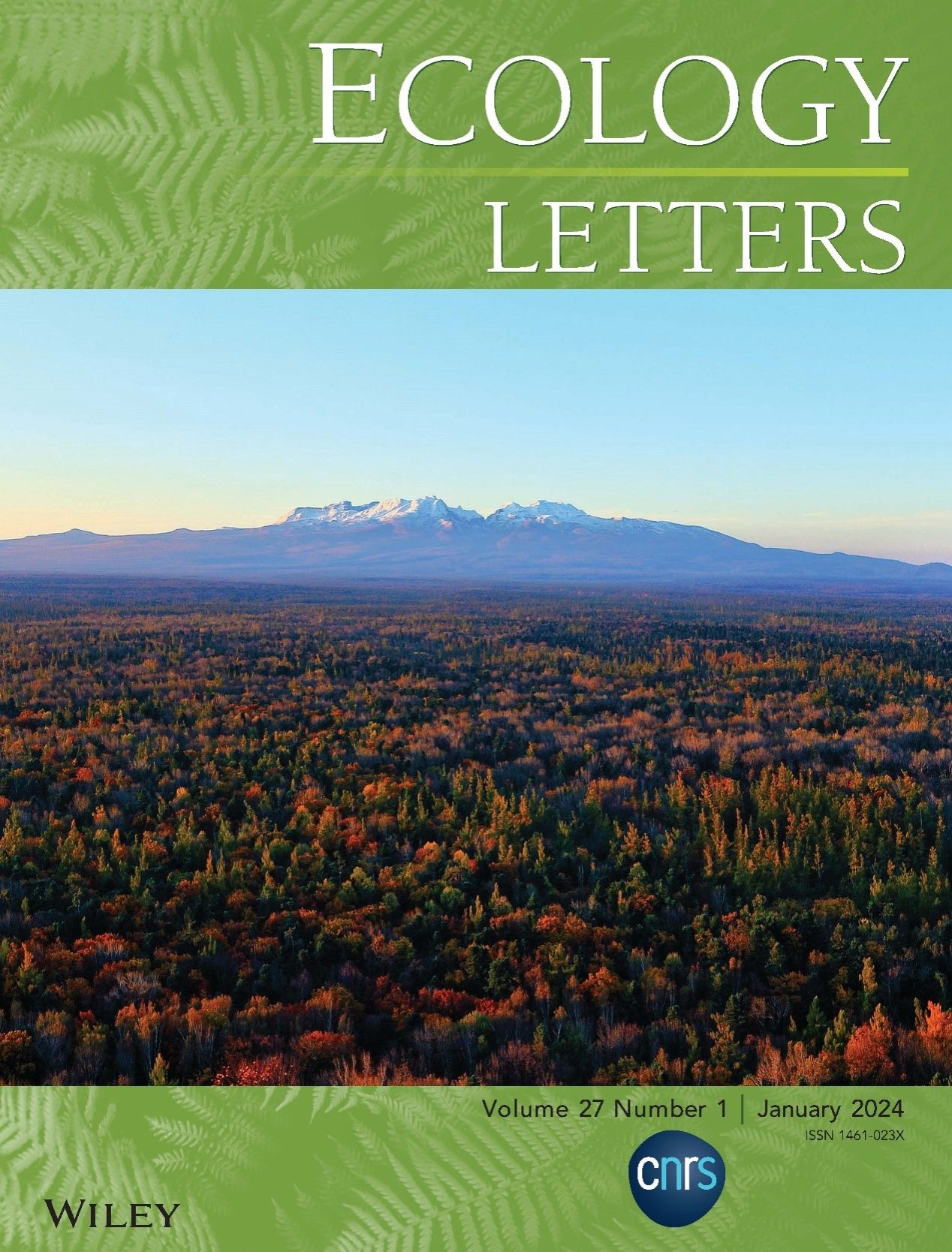
图1. Ecology Letters封面文章(Liu et al., 2023, Ecology Letters)。图中为长白山北坡远景(吴正方摄)
上述两种方式只是加快氮在植物和土壤的内部循环,并没有从根本上增加生态系统的氮输入。基于此,团队利用能够反映万年气候变化的泥炭植物、通过探索其同位素丰度发现,在过去一万年间随着大气CO2浓度增加,藓类植物的生物固氮量也随着增加,进而增加了生态系统的氮输入,一定程度上缓解了氮限制。因此只有通过第三种方式,即增加生物固氮或氮沉降才能从根本上缓解氮限制的路径。该成果以“Isotopic evidence for increased carbon and nitrogen exchanges between peatland plants and their symbiotic microbes with rising atmospheric CO2concentrations since 15,000 cal.year BP”为题,发表于国际著名期刊《Global Change Biology》(2023,29,1939–1950)上。论文第一作者为
植物中的碳一部分会以CO2的形式返回大气,一部分会以调落物的形式进入土壤,进入土壤的碳在固定过程中同样存在碳氮耦合现象。但是土壤中的碳氮耦合过程是怎么样的?受到什么因素影响?在区域或全球的范围内如何分布的?这些问题也不清楚。土壤中的可利用氮主要是微生物分解有机物后的产物,因此凋落物和土壤有机质的分解过程影响着土壤中的可利用氮。其分解过程主要取决于三大因素:微生物需求以及微生物资源利用效率、底物性质、环境条件。团队根据大量实测
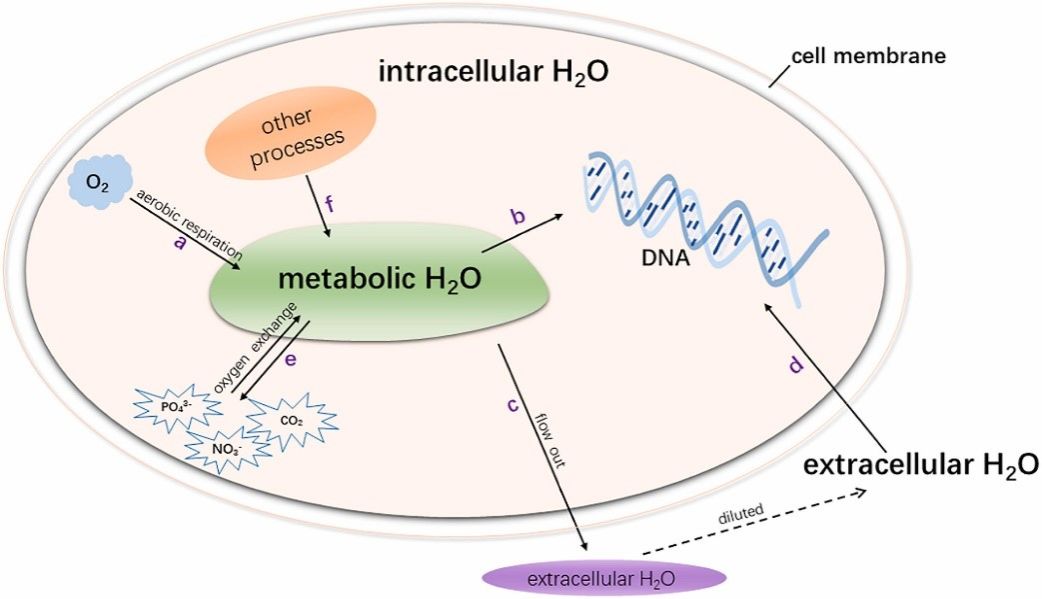
图2.本团队开发的18O-标记水的技术(Wang et al.,2022,SBB)
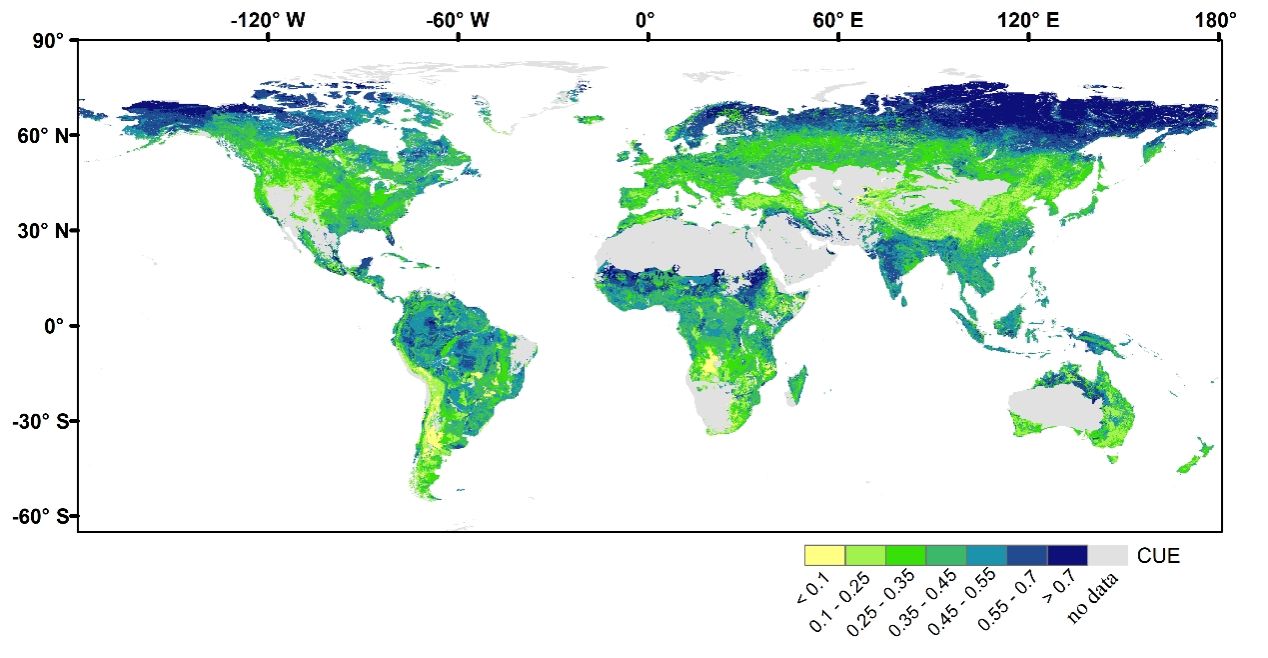
图3.0-30cm土壤深度中土壤微生物碳利用效率的全球格局(Gao et al.,2024,SBB)
碳在植物-凋落物-土壤转移的过程中,是逐级减少的,但是减少比例如何?氮含量如何影响这一过程?目前也不清楚。基于Lindeman效率的概念,团队构建了微生物参与的凋落物分解模型以及土壤有机质分解模型,分析了底物氮含量对碳从植物到土壤转移效率的影响(图4),相关成果分别以“Improved model simulation of soil carbon cycling by representing the microbially derived organic carbon pool”和“The carbon transfer from plant to soil is more efficient in less productive ecosystems”为题,发表于国际著名期刊《The ISME Journal》(2021,15,2248-2263)和《Global Biogeochemical Cycles》 (2023,37,e2023GB007727)上,论文第一作者为
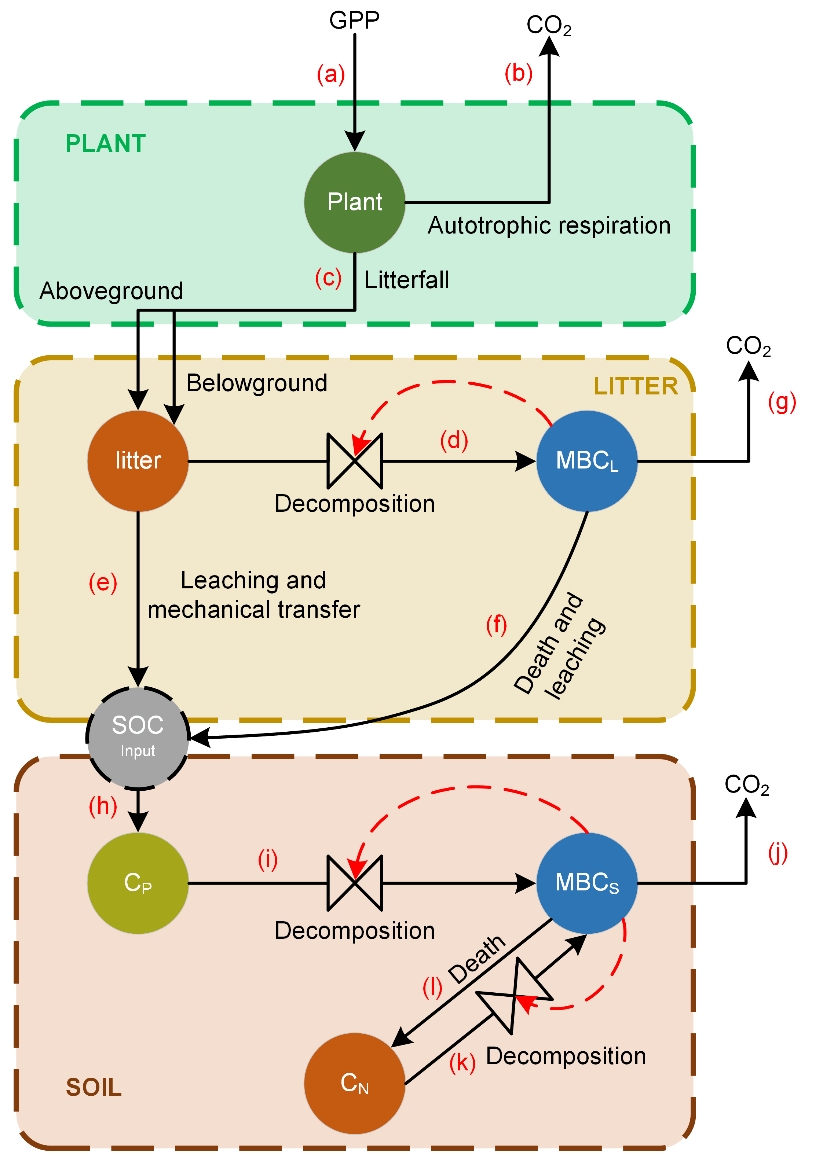
图4.凋落物分解和土壤有机质分解模型(Fan et al.,2023,GBC)
基于上述关于植物和土壤碳氮来源的耦合研究,团队继续利用碳氮同位素示踪技术,进一步量化了泥炭地碳氮累积速率和微生物残体碳氮周转速率,揭示了环境条件对有机质分解和累积过程的影响,以及土壤性质对微生物残体分解和累积过程的影响,相关成果分别以“Comparison of carbon and nitrogen accumulation rate between bog and fen phases in a pristine peatland with the fen-bog transition”和“Mineral composition controls the stabilization of microbially derived carbon and nitrogen in soils: Insights from an isotope tracing model”为题,发表于国际著名期刊《Global Change Biology》(2023,29,6350–6366;2024,30,e17156)上,论文第一作者分别为
上述系列工作,证实了生物固氮或氮沉降是缓解氮限制的有效方式,加深了氮对碳固持限制的理解,揭示了植物源和微生物源碳氮在土壤中稳定保存的机制,为实现生态系统固碳持续增加和“双碳”目标提供了新思路。
上述工作得到了国家级高层次领军人才项目、国家自然科学
相关论文清单:
1.Yang,Q.#,Liu,Z.,Houlton,B.Z.,Gao,D.#,Chang,Q.,Li,H.,Fan,X.#,Liu,B.#,&Bai,E.*(2023a).Isotopic evidence for increased carbon and nitrogen exchanges between peatland plants and their symbiotic microbes with rising atmospheric CO2concentrations since 15,000 cal.year BP.Global Change Biology,29:1939–1950.
2.Liu,B.#,Gao,D.#,Chang,Q.,Liu,Z.,Fan,X.#,Meng,D.#,Bai,E.*(2022).Leaf enzyme plays a more important role in leaf nitrogen resorption efficiency than soil properties along an elevation gradient.Journal of Ecology,110,2603–2614.
3.Liu,B.#,Fan,X.#,Meng,D.#,Liu,Z.,Gao,D.#,Chang,Q.#,Bai,E.*(2023).Ectomycorrhizal trees rely on nitrogen resorption less than arbuscular mycorrhizal trees globally.Ecology Letters,27(1):e14346.
4.Wang,Z.#,Yang,J.#,Wang,C.#,Bai,E.*(2022).Oxygen gas derived oxygen does not affect the accuracy of18O-labelled water approach for microbial carbon use efficiency.Soil Biology and Biochemistry.168:108649.
5.Gao,D.#,Bai,E.*,Wang,S.,Zong,S.,Liu,Z.,Fan,X.#,Zhao,C.and Hagedorn,F.(2022).Three-dimensional mapping of carbon, nitrogen, and phosphorus in soil microbial biomass and their stoichiometry at the global scale.Global Change Biology,28,6728–6740.
6.Gao,D.#,Bai,E.*,Wasner,D.and Hagedorn,F.(2024).Global prediction of soil microbial growth rates and carbon use efficiency based on the metabolic theory of ecology.Soil Biology and Biochemistry,190:109315.
7.Fan,X.#,Gao,D.#,Zhao,C.,Wang,C.#,Qu,Y.,Zhang,J.,Bai,E.*(2021).Improved model simulation of soil carbon cycling by representing the microbially derived organic carbon pool.The ISME Journal.15:2248–2263.
8.Fan,X.#,Bai,E.*,Zhang,J.,Wang,X.,Yuan,W.,Piao,S.(2023).The carbon transfer from plant to soil is more efficient in less productive ecosystems.Global Biogeochemical Cycles,37(8):e2023GB007727.
9.Yang,Q.#,Liu,Z.,Bai,E.*(2023b).Comparison of carbon and nitrogen accumulation rate between bog and fen phases in a pristine peatland with the fen-bog transition.Global Change Biology,29(6):6350–6366.
10.Wang,X.#,Wang,C.#,*,Fan,X.#,Sun,L.#,Sang,C.#,Jiang,P.,Fang,Y.andBai,E.*(2024).Mineral composition controls the stabilization of microbially derived carbon and nitrogen in soils: Insights from an isotope tracing model.Global Change Biology,30(1):17156-17156.
#为白娥教授指导学生,*为通讯作者





 沪公网安备
31011302004820号
沪公网安备
31011302004820号 优志愿 | 手机客户端

